Codanaut's
Tech Hub
Bitcoin
Understanding Bitcoin: A Beginners Guide
Understanding Bitcoin: A Beginner’s Guide
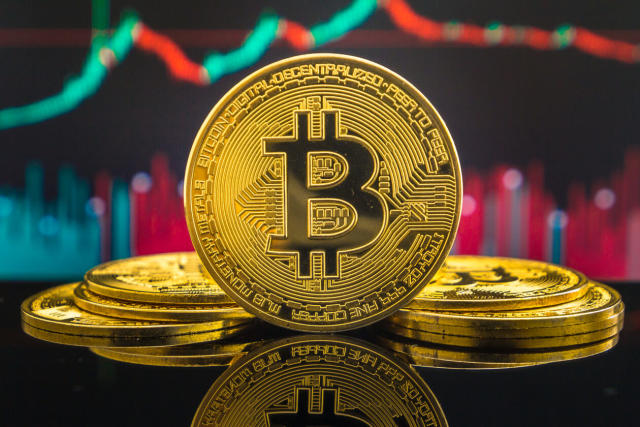
Bitcoin is a decentralized digital currency that operates on a peer-to-peer network without the need for a central authority. Created in 2009 by an unknown person or group of people using the pseudonym Satoshi Nakamoto, it is often referred to as a cryptocurrency.
How Does Bitcoin Work?
Bitcoin transactions are recorded on a public ledger called the blockchain. This ledger is maintained by a network of computers around the world that work together to validate transactions and ensure the integrity of the network. Each transaction is verified by multiple computers before being added to the blockchain, making it very difficult to tamper with the records.
One of the key features of Bitcoin is its limited supply. The total number of bitcoins that can ever be created is capped at 21 million, and as of March 2023, around 18.8 million bitcoins have already been mined. This scarcity has helped to drive up the value of Bitcoin, making it a popular investment option.
Buying and Selling Bitcoin
Bitcoin can be bought and sold on cryptocurrency exchanges, and it can also be used to purchase goods and services from merchants that accept it as payment. Because Bitcoin operates on a decentralized network, it is not subject to the same regulations as traditional currencies, and it is often used for transactions that are not legal in some countries.
Risks and Opportunities
While Bitcoin has gained popularity in recent years, it is still a relatively new technology that is subject to a lot of volatility. The value of Bitcoin can fluctuate wildly in a short period of time, making it a high-risk investment option. Additionally, the lack of regulation and oversight means that there is a risk of fraud and theft in the Bitcoin market.
Despite these risks, many people see Bitcoin as a promising technology that has the potential to revolutionize the way we think about money and finance. Its decentralized nature and limited supply make it an attractive investment option, and its use as a payment method is growing rapidly.
Conclusion
Bitcoin is a digital currency that operates on a decentralized network without the need for a central authority. Its use as a payment method is growing rapidly, and its limited supply has helped to drive up its value. However, it is still a high-risk investment option due to its volatility and lack of regulation. Despite these risks, many people see it as a promising technology that has the potential to transform the way we think about money and finance.